Let’s get this out of the way early:
Fermentation is not cute.
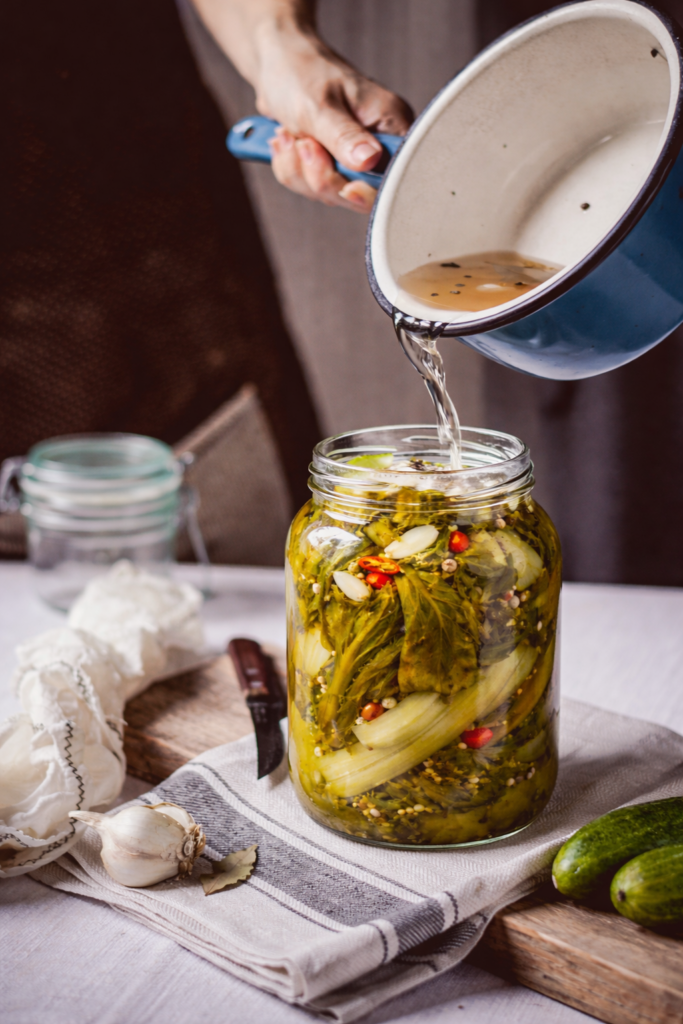
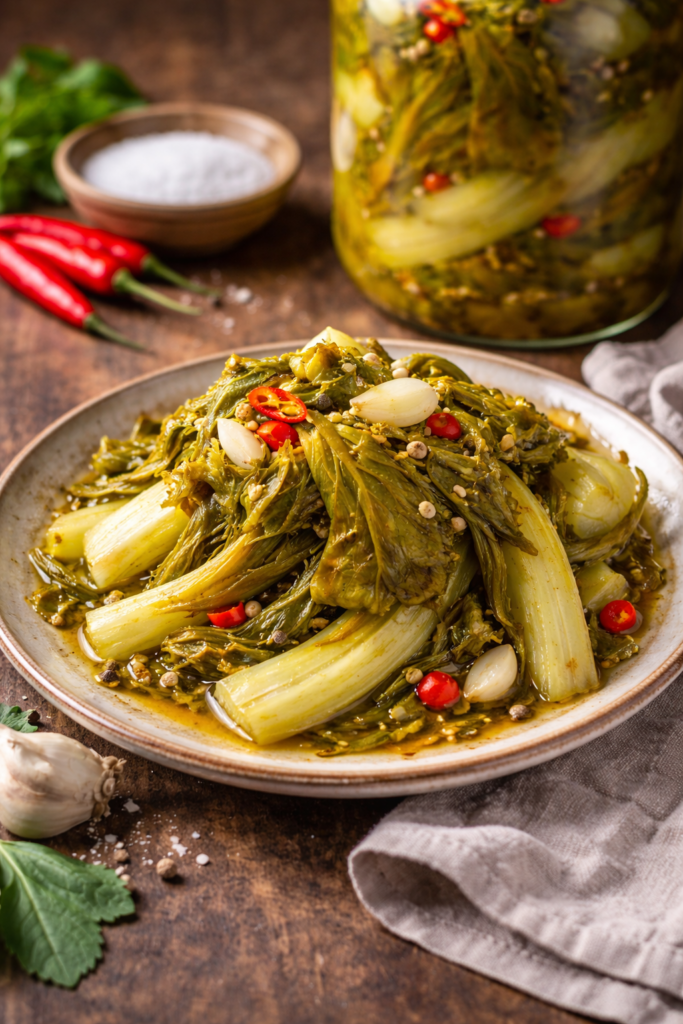
It smells. It bubbles aggressively and looks gross. It makes people ask uncomfortable questions like, “Are you sure that’s still good?” And yet, given enough time and patience it becomes something complex, nourishing, and deeply satisfying.
Which is exactly why most people avoid it.
Everyone says they want growth. Healing. Perspective. Wisdom.
What they actually want is the finished product (preferably without the mess, the waiting, or the part where things get a little sour).
Unfortunately, that’s not how fermentation works.
And it’s definitely not how people work.
“Everyone loves growth, but nobody loves the jar.”
Modern culture loves the idea of personal development the way it loves minimalist kitchens: clean, aesthetic, and completely free of smells.
We celebrate “journeys” as long as they’re summarized in a tweet. We applaud “learning moments” as long as they don’t require silence, humility, or the possibility of being wrong. We want transformation, but only if it arrives pre-sliced, pre-seasoned, and socially acceptable.
Fermentation ruins that fantasy.
It requires you to sit with discomfort long enough that it stops being threatening and starts being informative. It asks you to wait. To listen. To resist the urge to declare yourself finished just because the lid is on.
Everyone wants transformation.
Nobody wants to be sealed and wait for the change to happen.
The Immigrant Head Start Nobody Signed Up For
For immigrant and refugee communities, fermentation wasn’t optional. It wasn’t a lifestyle choice. It was survival.
There was no “finding yourself.” There was adapting. Translating for adults before you understood the rules yourself. Learning how systems worked before learning how to pronounce their names. Growing up early, quietly, and without a seminar.
While some people discovered resilience through podcasts and personality tests, others learned it while filling out paperwork they weren’t tall enough to reach or taking jobs they didn’t know how to do – just to feed a family that depended on them.
That’s not a flex. It’s context.
It’s what happens when discomfort isn’t a phase, it’s the environment. When fermentation begins whether you’re ready or not.

Fermentation Takes Time, Which Is a Problem for Everything Else
Here’s the inconvenient part: fermentation cannot be rushed.
You can’t speed it up without ruining it. You can’t optimize it without losing depth. And you definitely can’t substitute the very ingredients that gives the flavor it’s authentic taste.
This makes fermentation deeply incompatible with modern expectations, especially in politics, media, and culture. We demand instant reactions to complex issues. We reward the loudest opinion, not the most considered one. We confuse immediacy with intelligence.
If you’ve held the exact same opinion for a decade and call that “consistency,” you might not be fermented. You might just be conveniently preserved.
Why Zaub Qaub has been quietly Fermenting for the past few years
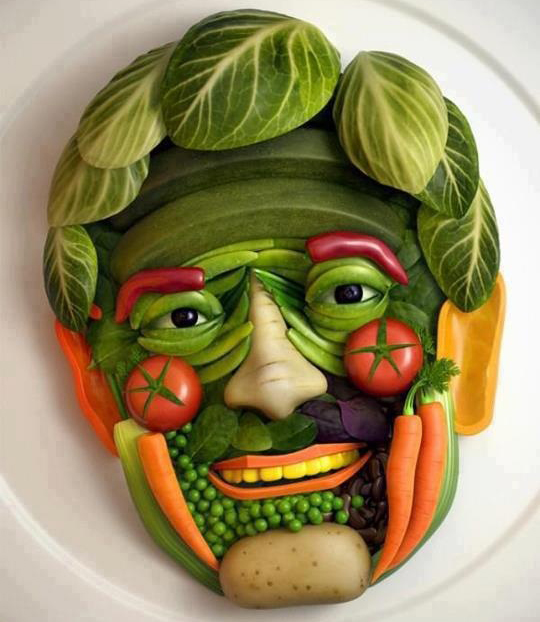
This project was born years ago—written, imagined, tested, and then quietly set aside. Life happened. Responsibility showed up. Survival took priority. As it often does. So the jar was sealed, placed on a shelf, and left alone to do what fermentation does best when you stop poking it every five minutes.
And honestly? That time mattered.
Because the world didn’t calm down while we were away. It escalated. Political theater turned into policy. Absurdity became normalized. Immigrant communities were debated like concepts instead of people. Silence became easier. And satire—real satire—became necessary again.
So we waited. We aged. We seasoned.
We added sharper perspective. A little more heat. Some bitterness earned the hard way. And a clarity that only comes from watching history repeat itself with better cameras and worse intentions.
Now the jar is open.
Zaub Qaub is back not to explain itself, not to beg for understanding, and not to soften the flavor for broader appeal. We’re here to season the conversation, to add depth where things have gone bland, and bite where comfort has overstayed its welcome.
This is a new batch.
Same roots.
Stronger flavor.
If you’ve been hungry for something honest, uncomfortable, and impossible to ignore—welcome back.
If you’re tasting this for the first time…
Take it slow. It’s an acquired taste.

Leave a Reply