Before America learned how to pronounce our names, we already knew how to survive without being named at all.
Before America learned how to pronounce our name, we already knew how to survive without being named at all.
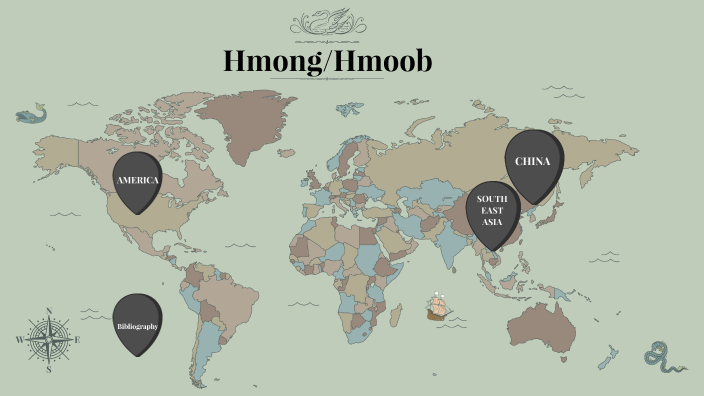
The Hmong story does not begin with immigration forms, refugee camps, or resettlement programs. It begins much earlier, long before borders were drawn neatly on maps. In the highlands of Laos and southern China, survival depended on adaptability, memory, and community. History was carried orally. Culture lived in practice. Identity existed without permission or paperwork.
We were a people without a nation-state, but never without direction.
In many ways, we were already practiced in endurance long before the world decided to notice us.
Before the War Had a Name
For generations, the Hmong lived as a highland people shaped by movement and negotiation. Empires rose and fell nearby. Borders shifted without regard for those who lived between them. Survival required flexibility rather than permanence, and memory mattered more than documentation.
This was not instability. It was preparation shaped by history.
The Secret War That Was Never a Secret
The United States refers to it as the Secret War. For Hmong families, it is simply the moment everything changed.
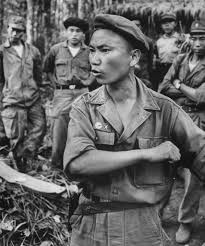
During the Vietnam War, the U.S. government recruited Hmong soldiers in Laos to fight in a conflict that officially did not exist. Tens of thousands answered that call, serving as allies in a war that relied heavily on their knowledge of the land and their willingness to fight. Promises of protection and support were made, often without clarity about what would come next.
When the war ended, the secrecy remained. The protection did not.
Retaliation followed swiftly. Villages were destroyed. Families fled through jungles, across rivers, and into uncertainty. Survival shifted from resistance to escape. What was classified in Washington was lived openly and painfully in Hmong homes.
History does not disappear simply because it becomes inconvenient to remember.
The Model Minority We Never Agreed To Be
Over time, Hmong Americans were folded into a narrative that never fit comfortably.
Grouped under the broader Asian American label, the Hmong experience was flattened and simplified. Poverty rates were overlooked. Educational disparities were ignored. Struggles were reframed as silence, and silence was mistaken for success.
The model minority myth did not uplift the Hmong community. It obscured it, creating visibility without understanding and recognition without accuracy.
Culture Did Not Disappear. It Adjusted.
Despite intense pressure to assimilate quickly and quietly, Hmong culture endured by adapting.
Language shifted across generations. Traditions evolved to meet new realities. Food carried memory when words failed. Clan systems bent under pressure but did not break. Identity became something negotiated daily, rather than inherited intact.
Culture does not vanish when ignored. It changes flavor. Fermentation is not decay, but transformation shaped by time and circumstance.
From Survival to Voice
For a long time, silence served a purpose. It minimized risk, avoided scrutiny, and allowed families to focus on survival.
But silence was never meant to be permanent.
Today, Hmong Americans are artists, educators, organizers, and elected leaders. The shift from survival to voice did not happen suddenly. It was earned gradually, carried forward by generations who held history quietly so the next could speak more openly.
It turns out silence was never our identity. It was a response to the moment. And we flourished.

Leave a Reply